What is Down Syndrome?
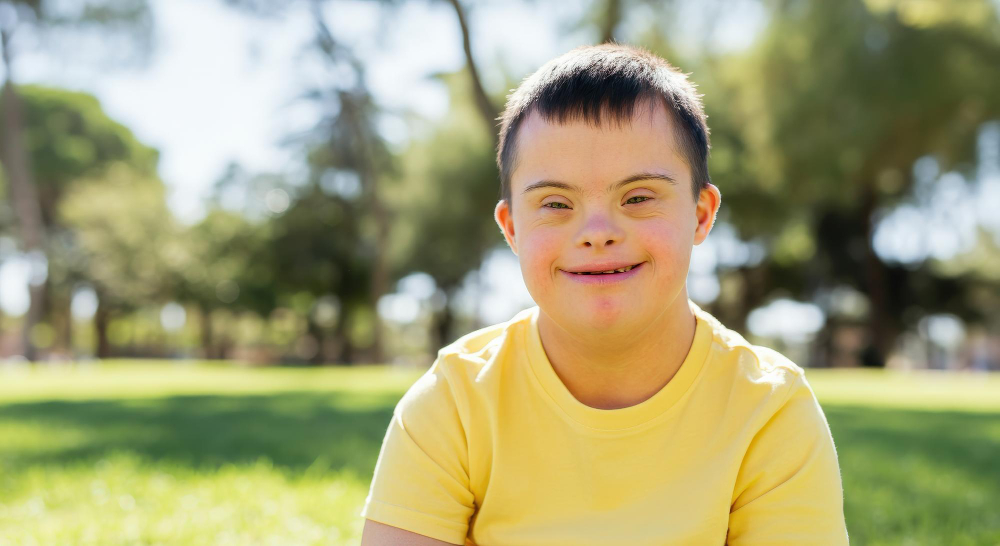
Down Syndrome in children is a genetic condition. It happens when a child is born with an extra copy of chromosome 21. Because of this, it is also called Trisomy 21. This extra genetic material affects how a child grows and learns. However, with the right support, children with Down Syndrome can lead happy lives. According to the CDC, Down Syndrome is one of the most common genetic conditions worldwide.
Common Symptoms and Signs
Children with Down Syndrome often share certain physical and developmental features. Still, every child is unique. Some signs may be mild, while others are more noticeable. For example, many children show:
In addition, some children may have heart or digestive problems. Early signs of Down Syndrome are often noticed at birth or soon after.
Causes and Risk Factors
Down Syndrome is not caused by anything parents do or do not do. Instead, it happens by chance when cells divide during pregnancy. However, some risk factors can increase the chance of having a child with Down Syndrome. For instance:
Still, most babies with Down Syndrome are born to younger mothers. Therefore, it is important to remember that anyone can have a child with this condition.
How Down Syndrome is Diagnosed
Doctors can diagnose Down Syndrome before or after birth. During pregnancy, screening tests can show if a baby is at risk. These include blood tests and ultrasound scans. If results suggest a higher risk, doctors may recommend further tests, such as:
After birth, doctors check for physical signs and confirm the diagnosis with a blood test. This test looks at the baby’s chromosomes. Early diagnosis helps families plan for care and support.
Treatment and Early Intervention
Although there is no cure for Down Syndrome, early help makes a big difference. Children benefit from therapies and medical care. For example, early intervention programs may include:
Regular check-ups are important. Some children may need surgery for heart or other health problems. With the right treatment, many children reach their full potential.
Everyday Support and Resources for Families
Families play a key role in helping children with Down Syndrome. Support can come from many places. For instance, families can:
In many cities, there are Down Syndrome resources and centers that offer help. These groups provide information, counseling, and social activities. Connecting with other families can also offer comfort and advice.
Prevention and Myths
Currently, there is no way to prevent Down Syndrome. It is a natural genetic event. However, some myths exist. For example, some people think Down Syndrome is caused by something parents did. This is not true. Also, Down Syndrome is not contagious. It is important to get facts from trusted sources like the CDC or WHO.
When to Consult a Pediatrician
If you notice signs of Down Syndrome in your child, talk to your pediatrician. Early diagnosis and support are important. In addition, regular check-ups help manage health issues. If you have questions about Down Syndrome diagnosis or care, your doctor can guide you to the right resources.
For personalized advice and support regarding Down Syndrome, consult a pediatric specialist at Rudraksh Multispecialty Hospital.