What is Pediatric Epilepsy?
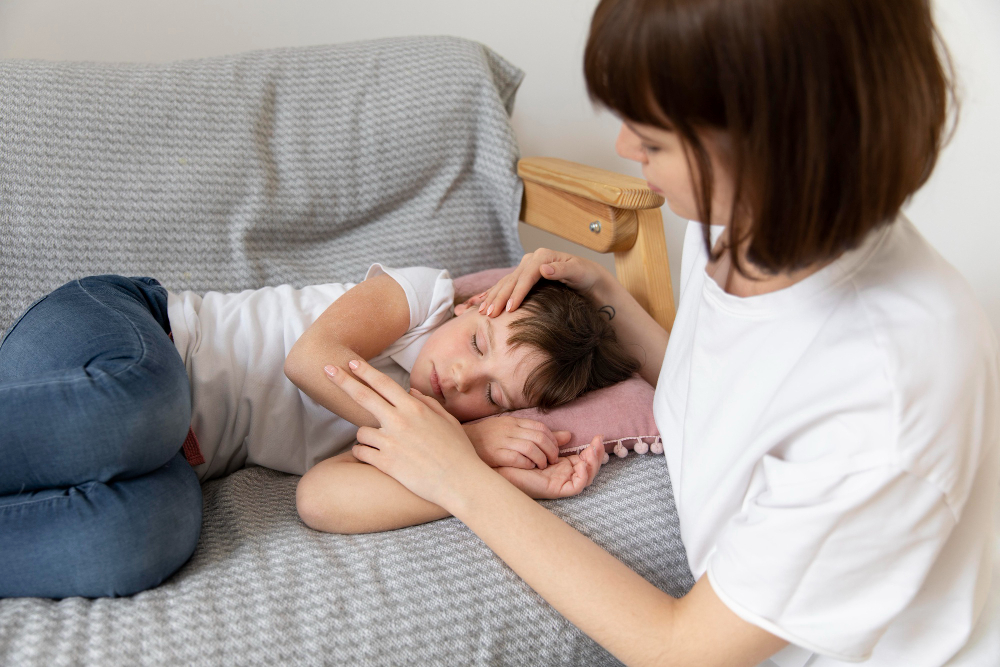
Pediatric epilepsy is a condition where children have repeated seizures. Seizures are sudden changes in the brain’s activity. Because of this, a child may lose awareness, shake, or stare blankly. Pediatric epilepsy can affect children of any age. However, it is most common in early childhood. According to the CDC, epilepsy affects about 470,000 children in the United States. While epilepsy in children can be scary, many kids live healthy lives with proper care.
Common Symptoms of Pediatric Epilepsy
Children with epilepsy may show different symptoms. For example, some may have obvious shaking, while others may only stare or seem confused. Not all seizures look the same. Here are some common signs to watch for:
Sometimes, children may only have mild symptoms. Yet, even mild seizures need medical attention. Early treatment can help manage childhood seizures better.
Causes and Risk Factors
There are many reasons why a child may develop epilepsy. In some cases, the cause is unknown. However, several factors can increase the risk:
Sometimes, high fevers can trigger seizures in young children. These are called febrile seizures. But not all children with febrile seizures develop epilepsy. Knowing the risk factors can help parents seek early care.
How Pediatric Epilepsy is Diagnosed
Doctors use several steps to diagnose epilepsy in children. First, they ask about the child’s health history and details of the seizures. Next, they may do a physical exam. To learn more, doctors often use tests such as:
After these tests, doctors can decide if a child has epilepsy. Early diagnosis helps with better seizure management for kids.
Treatment Options for Pediatric Epilepsy
There are many ways to treat epilepsy in children. The main goal is to control seizures and help kids live normal lives. Treatment plans depend on the type of seizures and the child’s needs. Common treatment options include:
Doctors will work closely with families to find the best treatment. Regular check-ups are important to track progress and adjust care as needed.
Lifestyle Tips and Support for Families
Living with pediatric epilepsy can be challenging. However, there are many ways families can help their child:
With the right support, children with epilepsy can enjoy school, play, and friendships. Families should talk openly with their child’s doctor about any concerns.
Prevention and Prognosis
Not all cases of pediatric epilepsy can be prevented. However, some steps may lower the risk. For example, mothers can get good prenatal care. Preventing head injuries and treating infections quickly can also help. The outlook for children with epilepsy is often positive. Many children outgrow seizures or have them well controlled with treatment. Early diagnosis and proper care make a big difference in a child’s life.
In summary, pediatric epilepsy is a treatable condition. With early care and support, most children can lead full, active lives. Consult a pediatric neurologist Rudraksh Multispecialty Hospital for personalized guidance on pediatric epilepsy.