
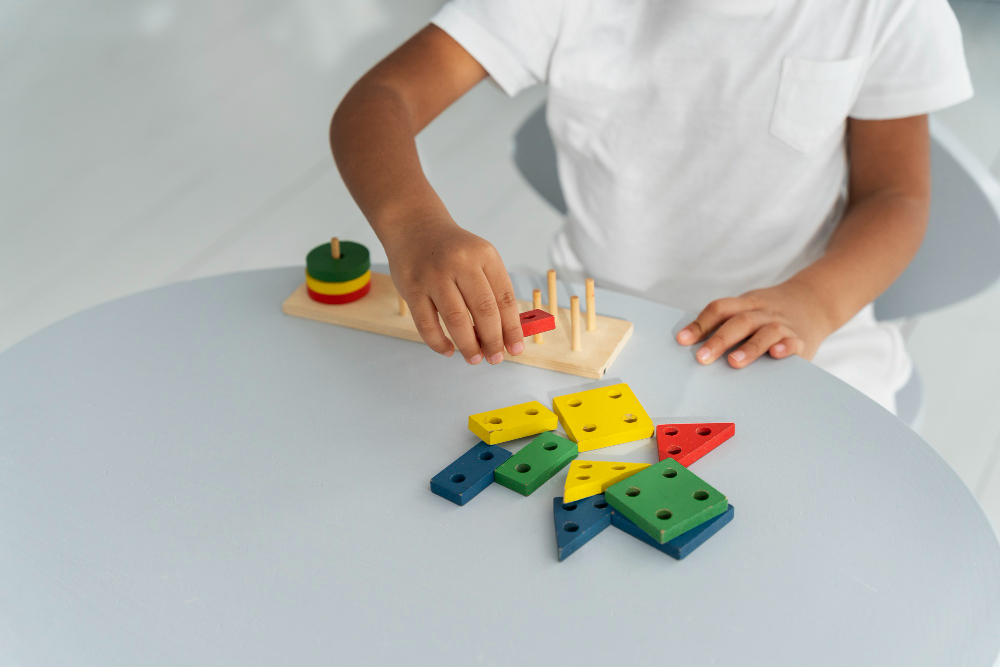
What Is Fine Motor Delay?
Fine motor delay means a child takes longer to develop small hand and finger movements. These skills help with tasks like holding a pencil, buttoning a shirt, or using scissors. For many children, fine motor skills develop naturally. However, some children need extra help. Early signs of fine motor delay may show up when a child struggles with daily tasks. Because these skills are important, noticing a delay early can make a big difference.
Common Symptoms of Fine Motor Delay
Children with fine motor delay may show several signs. For example, they may have trouble with:
Additionally, some children may avoid tasks that need hand coordination. Others may get frustrated or tire easily. Because these signs can also be part of other conditions, it is important to talk to a healthcare provider if you notice them.
Causes and Risk Factors
Fine motor delay can have many causes. Sometimes, it is linked to prematurity or low birth weight. Other times, it may be due to muscle weakness or poor hand-eye coordination. In some cases, underlying conditions like cerebral palsy or developmental disorders play a role. However, not all children with fine motor delay have a clear cause. The Centers for Disease Control and Prevention (CDC) notes that early identification helps children get the support they need.
Because every child is unique, a full evaluation by a specialist is often needed.
How Occupational Therapy Helps
Occupational therapy is a proven way to help children with fine motor delay. Therapists use fun and safe activities to build hand strength and control. For example, they may use games, crafts, or everyday tasks to improve hand coordination in children. Occupational therapy activities for fine motor skills are chosen to match each child’s needs. As a result, children often gain confidence and independence. According to the World Health Organization (WHO), early therapy can lead to better outcomes.
Key Occupational Therapy Techniques for Hand Skills
Occupational therapists use many techniques to help children develop hand skills. Some common approaches include:
Because therapy is tailored, each child gets the support they need to improve.
Tips for Supporting Children at Home
Parents and caregivers play a big role in helping children with fine motor delay. At home, you can encourage hand skills by:
Because practice is key, try to make these activities part of your daily routine. If you have concerns, speak with your child’s doctor or therapist for more ideas.
Prevention and Early Intervention
Although not all cases can be prevented, early intervention can help reduce the impact of fine motor delay. Watching for early signs of fine motor delay is important. For example, if your child is not picking up small objects by 12 months or not using both hands together by 18 months, talk to a healthcare provider. Early support from occupational therapy can help children reach their full potential. Because every child develops at their own pace, regular check-ups and open communication with your child’s care team are helpful. Consult at Rudraksh multispecialty hospital for specialised care.