
What is the Flu in Children?
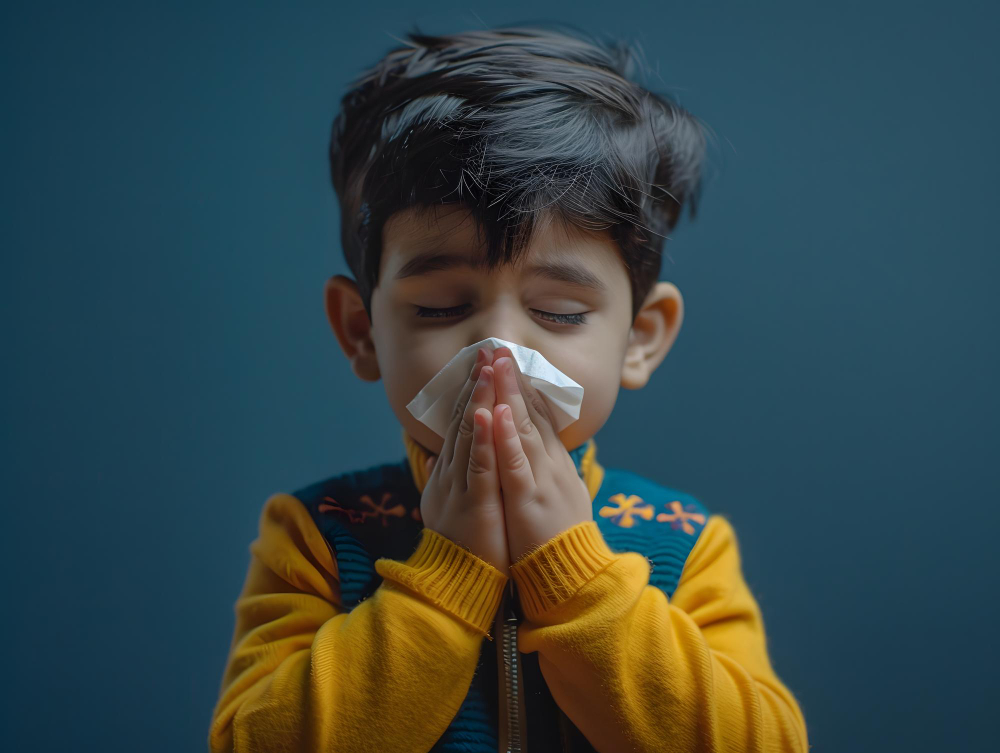
The flu in children is a common illness caused by the influenza virus. It spreads easily, especially during flu season. Children can get sick quickly, and symptoms may appear suddenly. Because the flu can lead to serious problems, it is important for parents and caregivers to know what to watch for. Understanding flu in children helps you take the right steps to protect your family.
Common Symptoms of Flu in Children
Children with the flu often feel very sick. However, symptoms can vary from child to child. Early signs may look like a cold, but the flu usually feels worse. Watch for these common childhood influenza symptoms:
Sometimes, symptoms start suddenly. But in some cases, they may develop over a day or two. If your child has trouble breathing or seems very sleepy, seek help right away.
Causes and How the Flu Spreads
The flu is caused by influenza viruses. These viruses change often, so new strains appear each year. Children catch the flu when they breathe in droplets from a sick person’s cough or sneeze. Also, touching surfaces with the virus and then touching the mouth, nose, or eyes can spread the flu.
Because children are in close contact at school or daycare, the flu spreads quickly. During flu season, it is even easier for kids to get sick. Therefore, teaching good habits helps lower the risk.
Diagnosis: How Doctors Identify the Flu
Doctors diagnose flu in children by looking at symptoms and asking about recent contact with sick people. Sometimes, they use a quick test called a rapid flu test. This test uses a swab from the nose or throat. However, not all children need this test. Often, doctors can tell if it is the flu based on symptoms alone.
If your child has a high fever, trouble breathing, or other serious signs, the doctor may order more tests. Early diagnosis helps start treatment sooner.
Treatment Options for Children with Flu
Most children with the flu get better at home with rest and care. However, some may need medicine. Doctors may prescribe antiviral drugs if your child is at high risk or very sick. These medicines work best when started within two days of symptoms.
Most children recover in about one week. But, some may feel tired for longer. If symptoms get worse, call your doctor.
Home Care and Lifestyle Tips
At home, you can help your child feel better and recover faster. For example, keep your child away from school or daycare until they feel well and have no fever for at least 24 hours. In addition, try these tips:
Because children can get tired easily, let them rest as much as needed. If you have questions, your doctor can guide you.
Prevention: How to Protect Your Child from the Flu
Preventing flu in children is important for their health. The best way is to get a yearly flu vaccine. The Centers for Disease Control and Prevention (CDC) recommends that all children over six months get the flu shot each year. In addition, you can lower the risk by:
Because flu season can vary by location, check with your local health department for updates. Staying informed helps you protect your family.
When to See a Doctor
Most children recover from the flu at home. However, some signs mean you should call a doctor right away. For example, seek help if your child:
If you are unsure, it is always better to ask your doctor. Early care can prevent serious problems.
Consult a pediatrician at Rudraksh Multispeciality Hospital for personalized advice if your child shows signs of the flu.